
Lead Generation Marketing: Fueling Business Growth in the Digital Era
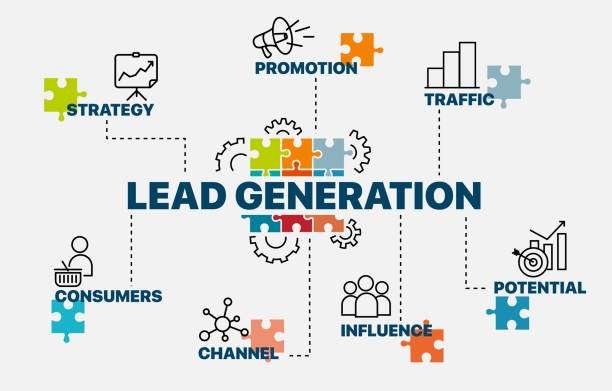
In the world of business, growth depends on one key factor—customers. But before customers make a purchase, they first become leads. This makes lead generation marketing one of the most critical aspects of any business strategy. Whether you are a startup, small business, or a large enterprise, generating high-quality leads is essential for building a strong sales pipeline and sustaining long-term growth.
What is Lead Generation Marketing?
Lead generation marketing is the process of attracting and converting strangers into potential customers who have shown interest in your product or service. Leads can be captured through forms, sign-ups, downloads, or inquiries, and they represent individuals who are more likely to buy compared to the general audience.
For example, when a user fills out a contact form to get a free e-book, they are no longer just a visitor—they are now a lead who has shown interest in your offerings
Why Lead Generation Marketing Matters
- Builds a Customer Pipeline
Leads are the starting point of your sales funnel. Without leads, businesses cannot grow. - Targets the Right Audience
Lead generation strategies allow businesses to focus on individuals most likely to convert, saving time and resources. - Improves ROI
By generating qualified leads, businesses can spend their marketing budget more effectively and boost return on investment. - Strengthens Brand Awareness
Lead generation campaigns often involve valuable content, which positions your brand as an authority in the industry. - Supports Long-Term Growth
Consistently generating leads ensures a steady flow of potential customers, keeping businesses sustainable.
Key Strategies for Lead Generation Marketing
- Content Marketing
Content is at the heart of lead generation marketing. Blogs, videos, infographics, e-books, and case studies attract audiences and encourage them to engage. For instance, offering a free guide in exchange for an email address is an effective way to generate leads.
- Search Engine Optimization (SEO)
Optimizing content for search engines ensures your business appears when potential customers search for solutions online. Higher rankings lead to more traffic and, ultimately, more leads.
- Social Media Marketing
Platforms like Facebook, LinkedIn, Instagram, and Twitter allow businesses to connect with audiences, run ads, and use lead forms to capture contact details.
- Email Marketing
Email campaigns nurture leads by providing relevant content, updates, and offers. Automated workflows, such as welcome emails or drip campaigns, help move leads down the sales funnel.
- Pay-Per-Click (PPC) Advertising
Google Ads, Facebook Ads, and LinkedIn Ads allow businesses to target specific demographics and generate instant leads with optimized landing pages.
- Landing Pages and Lead Magnets
Dedicated landing pages with clear calls-to-action (CTAs) are powerful lead generation tools. Offering lead magnets—such as free trials, webinars, or templates—encourages users to share their details.
- Webinars and Online Events
Hosting webinars or live Q&A sessions builds trust and authority. Attendees often provide contact information, turning them into qualified leads.
- Referral Marketing
Encouraging satisfied customers to refer others can generate high-quality leads. Referral programs with incentives boost participation
Lead Qualification: Turning Leads into Opportunities
Not all leads are the same. Businesses must qualify leads to determine which ones are worth pursuing.
- Marketing Qualified Leads (MQLs): Leads who have engaged with your content but are not ready to buy.
- Sales Qualified Leads (SQLs): Leads who have shown buying intent and are ready to be contacted by sales teams.
By nurturing MQLs with valuable content and guiding them toward purchase, businesses can increase conversion rates.
Tools for Lead Generation Marketing
Using the right tools can simplify and enhance lead generation efforts:
- HubSpot: CRM and inbound marketing tool for lead tracking and automation.
- Mailchimp: Email marketing platform with lead capture forms.
- LinkedIn Sales Navigator: Helps identify and connect with potential B2B leads.
- OptinMonster: Creates lead capture forms and pop-ups.
SEMrush & Ahrefs: SEO tools to drive organic traffic for lead generation
Challenges in Lead Generation Marketing
- Low-Quality Leads: Attracting large numbers of leads doesn’t guarantee conversions if they are not qualified.
- High Competition: With businesses competing for attention, standing out requires creativity.
- Budget Constraints: Paid campaigns can become expensive if not optimized.
- Changing Algorithms: Social media and search engine algorithm changes can affect lead generation strategies.
Overcoming these challenges involves a mix of targeted campaigns, consistent testing, and adopting innovative approaches.
The Future of Lead Generation
The landscape of lead generation is evolving with technology:
- AI and Chatbots: Automating lead qualification and customer interactions.
- Personalization: Using data to deliver tailored experiences for each lead.
- Video Marketing: Videos on YouTube, TikTok, or LinkedIn are becoming powerful lead generation tools.
- Voice Search: Optimizing for voice queries will create new opportunities.
- Omnichannel Strategies: Integrating multiple platforms ensures leads are engaged at every touchpoint.
Businesses that embrace these trends will have a competitive edge in generating and converting leads.
CONCLUSION
Lead generation marketing is the foundation of business growth. By combining strategies like content marketing, SEO, social media, and email campaigns, businesses can attract and nurture high-quality leads that convert into loyal customers. While challenges exist, the right mix of tools, strategies, and creativity ensures long-term success.
In the digital era, where competition is fierce, generating and nurturing leads isn’t just an option—it’s a necessity. Businesses that master lead generation marketing will not only increase sales but also build strong customer relationships and a sustainable future.
Click here to read more articles